
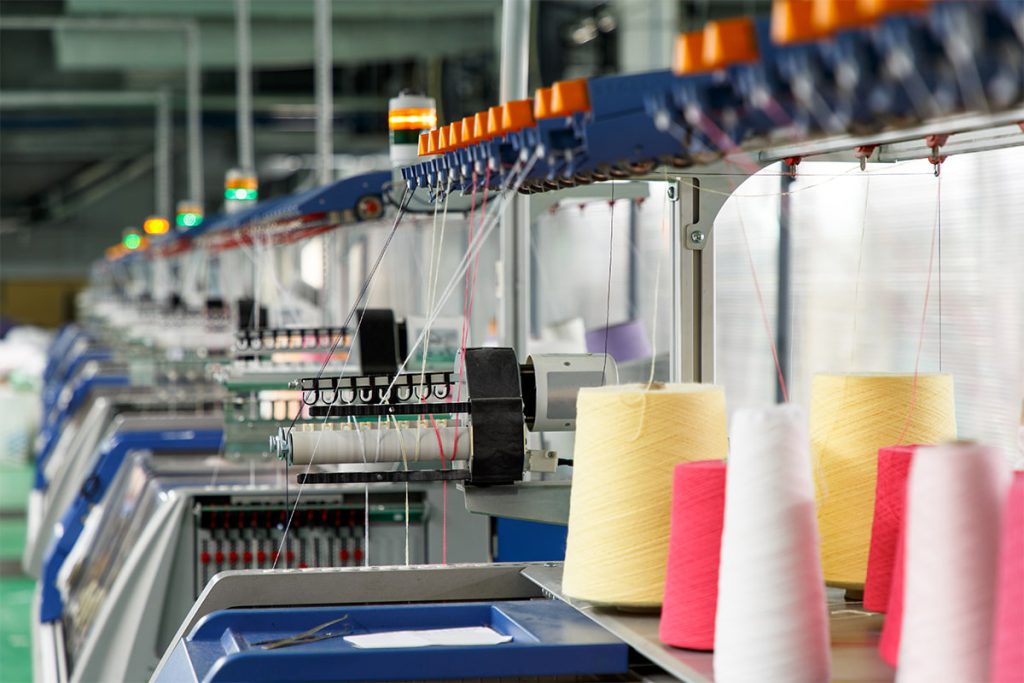
Technical Textiles
The term technical textiles emerged in the 1980s to describe products and sock manufacturing techniques developed for their technical properties and performance rather than their appearance and aesthetic characteristics, with diversity increasing every day. As the term industrial textiles became insufficient to express the richness and complexity of this rapidly growing field, the term technical textiles replaced it. However, in the United States, the term industrial textiles is still widely used.
When referring to technical textiles, it primarily means materials and products used in sock manufacturing that are produced for their technical performance and functional properties rather than aesthetic and decorative features. Materials specially designed and used either independently or as part of a product or process to fulfill a specific function are called technical textiles.
Technical textiles are high-value-added and costly sock products. They possess superior performance characteristics such as resistance to chemicals, weather conditions, and microorganisms, as well as high durability and flame resistance. These products are also used in areas outside the textile industry; however, the buyer does not directly use the technical textile product itself. Instead, it is utilized as a component of another material in sock manufacturing.